You have found a car that looks promising. The next question is whether its condition supports the decision you are about to make. A mobile used car inspection brings an independent inspector to the vehicle, so the seller does not have to take it to a separate shop and you do not have to attend. Here is how the process works with Seattle Vehicle Inspections.
1. Confirm the seller is willing to provide access
Before ordering, ask whether the dealer or private seller permits an independent inspection. Confirm where the car will be, who can provide the keys, and how that person can be reached. Give the inspector the actual vehicle address rather than relying on the city shown in a listing. A dealer order also needs the dealership’s business name.
Tell us about any access restrictions or concerns from the listing. If the car is stored away from the seller’s usual address, clarify that before scheduling. Safe access around the vehicle and permission for a road test help the appointment proceed smoothly.
2. Choose the inspection and place your order
Our package follows the model year: Modern Used Car Inspection is $299 for vehicles 20 years old and newer, including gasoline, diesel, hybrid and electric vehicles. Classic Car Inspection is $399 for older vehicles. The ordering form applies the age rule as the calendar changes.
Enter the vehicle information, seller details and your contact information, then pay securely through Square. Your card details are handled by Square. We coordinate availability with the seller and confirm the date separately; payment alone does not reserve a particular appointment time.
3. The inspector visits the car
An ASE-Certified Master Automobile Technician checks accessible components and records findings and photographs. The inspection covers visible exterior and interior condition, accessible engine-compartment and underbody components, tire and wheel condition, and supported diagnostics. A road test depends on safety and seller permission.
The work is visual and non-invasive. Parts are not dismantled to reveal concealed conditions. If an area cannot be checked, the report should be read with that limitation in mind. The inspection describes the vehicle at that appointment rather than predicting its future reliability.
4. Review the report before deciding
When the report is published, you receive an email and can sign in to your account. Review the written findings alongside the photos, tire details and any uploaded videos. Start with significant concerns, then read the remaining observations so cosmetic issues and more consequential findings are considered in context.
Ask the seller about issues that need explanation and obtain repair estimates where appropriate before agreeing on the purchase. A condition report is one input alongside service records, vehicle history, price and your own needs—not a warranty or a purchase recommendation.
A CLOSER LOOK · FEWER SURPRISES
From a finding to a better buying question
Here’s how our inspection approach connects photos, measurements and plain-English observations to your purchase decision.
These walkthroughs use our demonstration reports and illustrative sample photos. They are not accounts of completed customer inspections. Photos show the area discussed; measurements and scan results are recorded separately in the report.
Illustrative sample-report photo
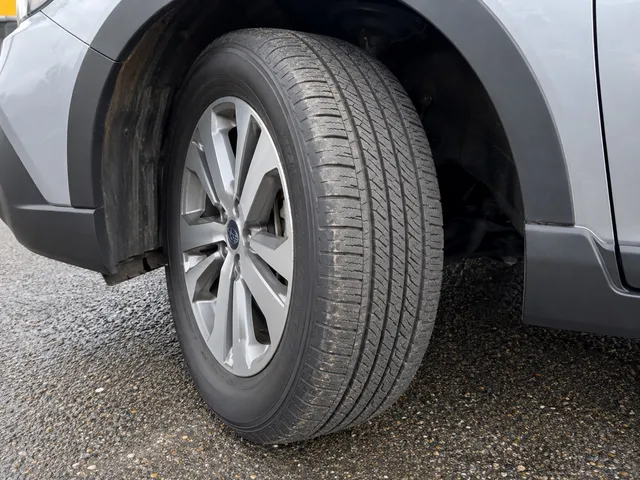
Tread depth is only part of the story
The recorded findingOur modern sample records 4/32 inch on the left front tire and uneven outer-shoulder wear.
What it means for youWe record each tire separately. Uneven wear deserves attention even when some tread remains; a photo and measurement help you understand the finding.
A useful question before buyingWhat would tire replacement and evaluation of the uneven wear cost?
Illustrative sample-report photo
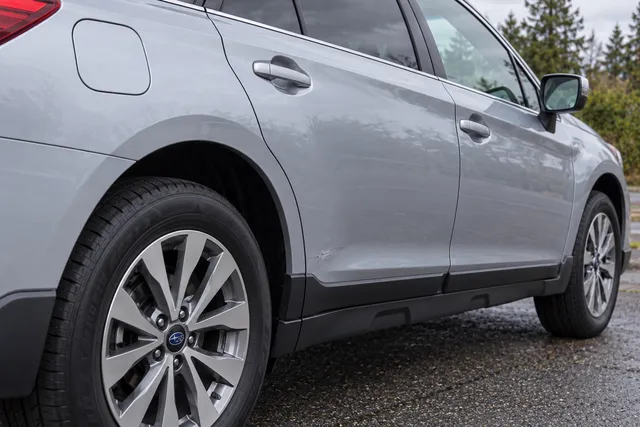
A door can tell a different story
The recorded findingThe modern sample records 12 mils on the right rear door versus 5 mils on the other measured panels, with a visible cosmetic scuff.
What it means for youThat difference suggests additional paint on this panel. We compare the readings with visible finish and body condition; the meter alone cannot establish accident history.
A useful question before buyingDoes the seller have records or photos of previous paintwork?
Illustrative sample-report photo
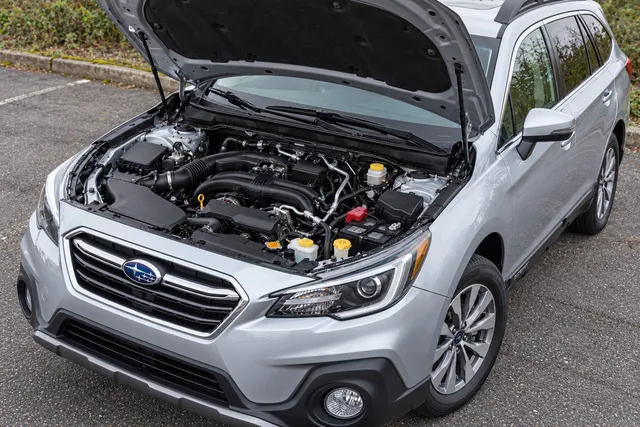
A clear scan is one piece of the inspection
The recorded findingThe modern sample has no stored or pending engine/transmission fault codes at the time of its diagnostic scan.
What it means for youWe use a scan tool on compatible vehicles and record the results alongside physical checks and road-test observations. No codes does not mean every mechanical system is fault-free.
A useful question before buyingDo the service records and observed condition support the seller’s description?