Happy Halloween from Seattle Vehicle Inspections! A friendly ghost on the porch? Fun. A mysterious clunk on the way home in your newly purchased car? Much less fun. Buying a used car should be exciting, and getting an independent look before you buy can make the unknowns feel a little less spooky.
A shiny car can make a great first impression. What matters next is how it starts, drives, stops and behaves when its equipment is put to work.
Before you commit, give yourself time to review the car’s condition, history and service records. The FTC explains that a vehicle history report does not replace an independent inspection. Read the FTC’s used car advice.
Three things that deserve a closer look
A dashboard lit up like a jack-o’-lantern: warning lights and stored codes need context. A code points toward a system or condition; it does not automatically identify a failed part.
A spooky soundtrack: clunks, rattles or unusual noises during a permitted road test deserve attention rather than a louder radio.
A disappearing act: visible fluid leaks, equipment that does not operate correctly or unanswered seller questions are reasons to pause and ask for more information.
These are examples of things to investigate, not a diagnosis of every car with a similar symptom.
No haunted waiting room: I come to the car
I’m Antone Hempstock, the ASE-Certified Master Automobile Technician behind Seattle Vehicle Inspections. I personally inspect vehicles at the seller’s location within our Washington service area. You don’t need to attend or arrange to transport a car you don’t own.
The inspection combines hands-on checks of accessible components with supported electronic diagnostics, paint readings, tire measurements and a road test when safety and seller permission allow. Older cars receive checks suited to their equipment and age.
A report you can understand—no crystal ball required
Your online report brings the photographs, findings and recorded measurements together. You can see what needs attention and ask me about the inspection instead of trying to decode a frightening list of unfamiliar terms on your own.
Our Subaru inspection example shows how findings about the A/C, front brakes, windshield and stored history codes were explained for a buyer. Read the Subaru pre-purchase inspection story.
The inspection is a snapshot of accessible condition. Nothing is taken apart, and hidden or intermittent faults can still exist. It is not a warranty or a promise that every problem will be found.
Treat yourself to more information before you buy
Ask the seller for the VIN, the vehicle’s location, a reachable contact and permission for an independent inspection. Then check our service area and book before finalizing the purchase.
Happy Halloween! Enjoy the costumes, the candy and the friendly neighborhood ghosts. Let’s keep your next car decision based on findings—not a leap into the dark.
Here’s how our inspection approach connects photos, measurements and plain-English observations to your purchase decision.
These walkthroughs use our demonstration reports and illustrative sample photos. They are not accounts of completed customer inspections. Photos show the area discussed; measurements and scan results are recorded separately in the report.
Illustrative sample-report photo
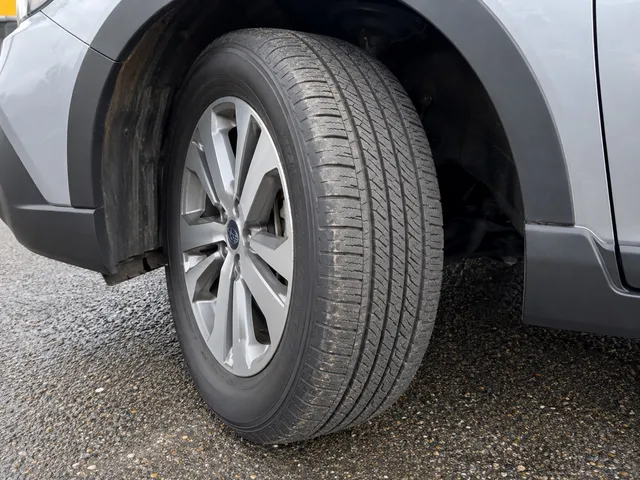
Tread depth is only part of the story
The recorded findingOur modern sample records 4/32 inch on the left front tire and uneven outer-shoulder wear.
What it means for youWe record each tire separately. Uneven wear deserves attention even when some tread remains; a photo and measurement help you understand the finding.
A useful question before buyingWhat would tire replacement and evaluation of the uneven wear cost?
Illustrative sample-report photo
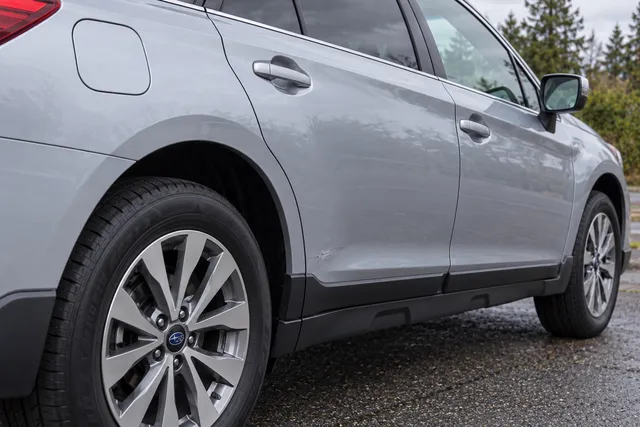
A door can tell a different story
The recorded findingThe modern sample records 12 mils on the right rear door versus 5 mils on the other measured panels, with a visible cosmetic scuff.
What it means for youThat difference suggests additional paint on this panel. We compare the readings with visible finish and body condition; the meter alone cannot establish accident history.
A useful question before buyingDoes the seller have records or photos of previous paintwork?
Illustrative sample-report photo
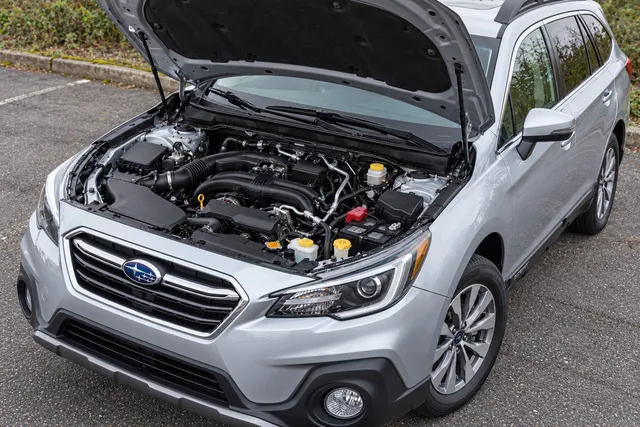
A clear scan is one piece of the inspection
The recorded findingThe modern sample has no stored or pending engine/transmission fault codes at the time of its diagnostic scan.
What it means for youWe use a scan tool on compatible vehicles and record the results alongside physical checks and road-test observations. No codes does not mean every mechanical system is fault-free.
A useful question before buyingDo the service records and observed condition support the seller’s description?