This 2016 Subaru Forester AWD ran and drove well during my inspection, with several items needing follow-up before purchase. The report highlighted three concerns: the air conditioning, the visible front brake pads and a small windshield crack.

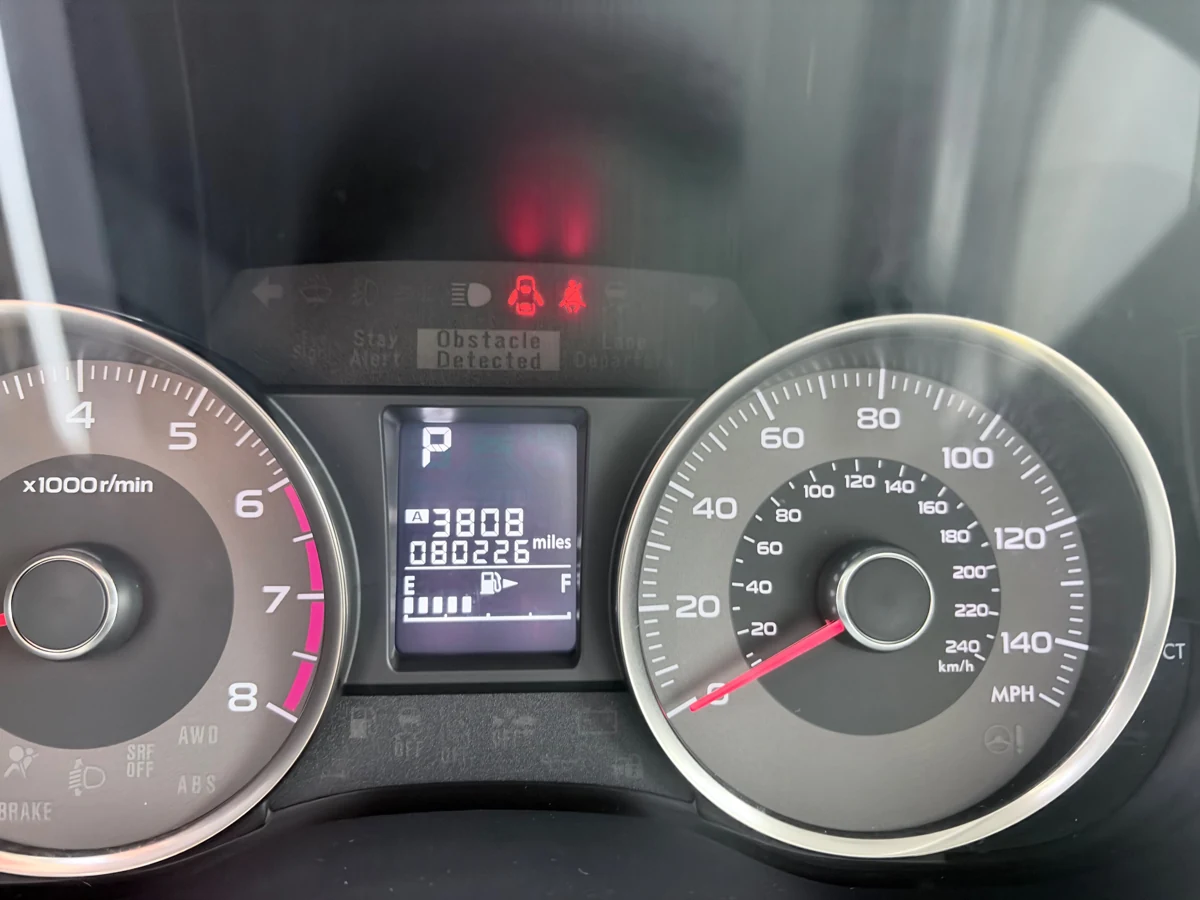
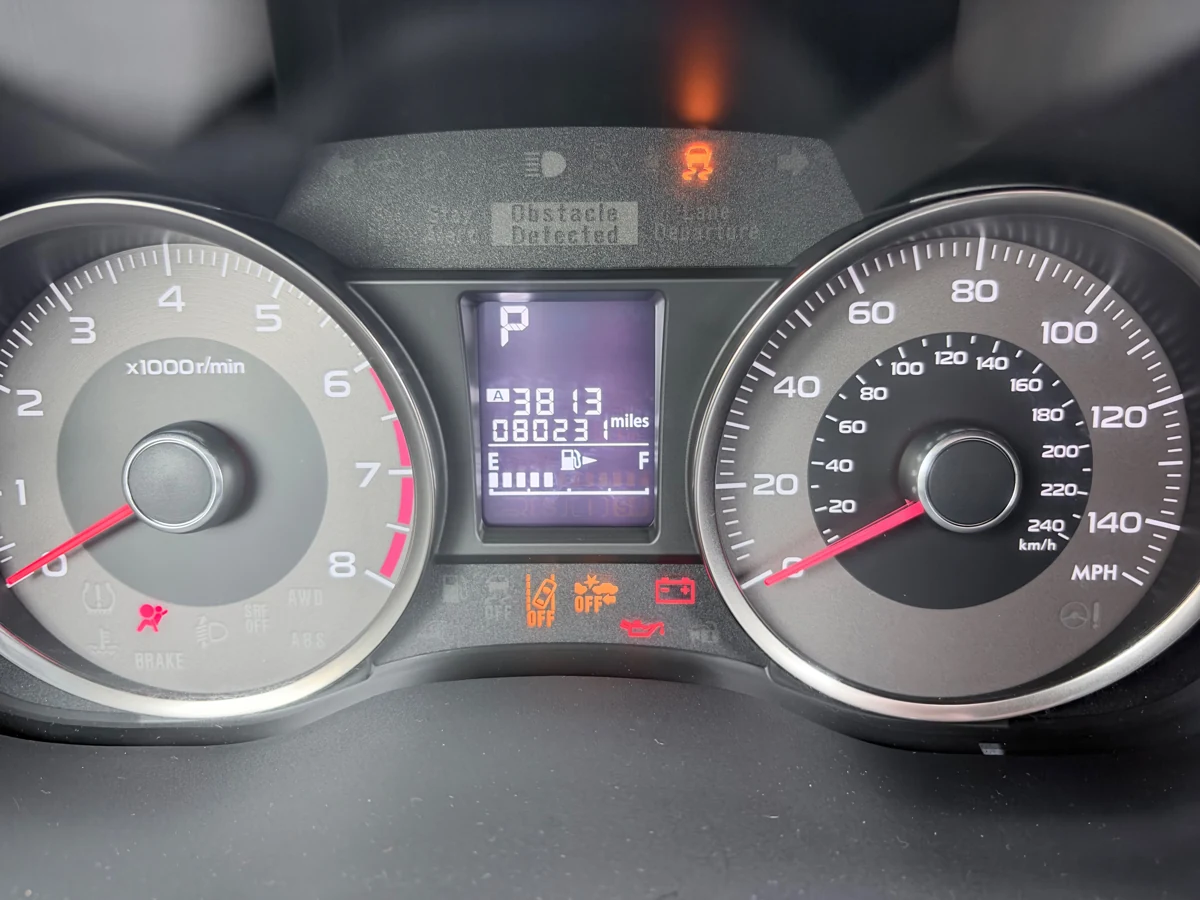
A five-mile drive, with both mileage readings recorded
The odometer showed 80,226 miles before the test drive and 80,231 afterward—a recorded distance of five miles. Starting, idle, acceleration, shifting, steering and suspension operation were rated Good during this inspection.
A road test helps assess how the vehicle behaves under the conditions encountered. It cannot rule out every intermittent problem or predict future failures.
Three findings the buyer needed to consider
The air conditioning did not cool as expected
The compressor cycled on and off rapidly. In my assessment, these observations were consistent with low refrigerant from a slow leak. The recommendation was to have the system checked for leaks and serviced as needed. The inspection did not establish the exact leak location.
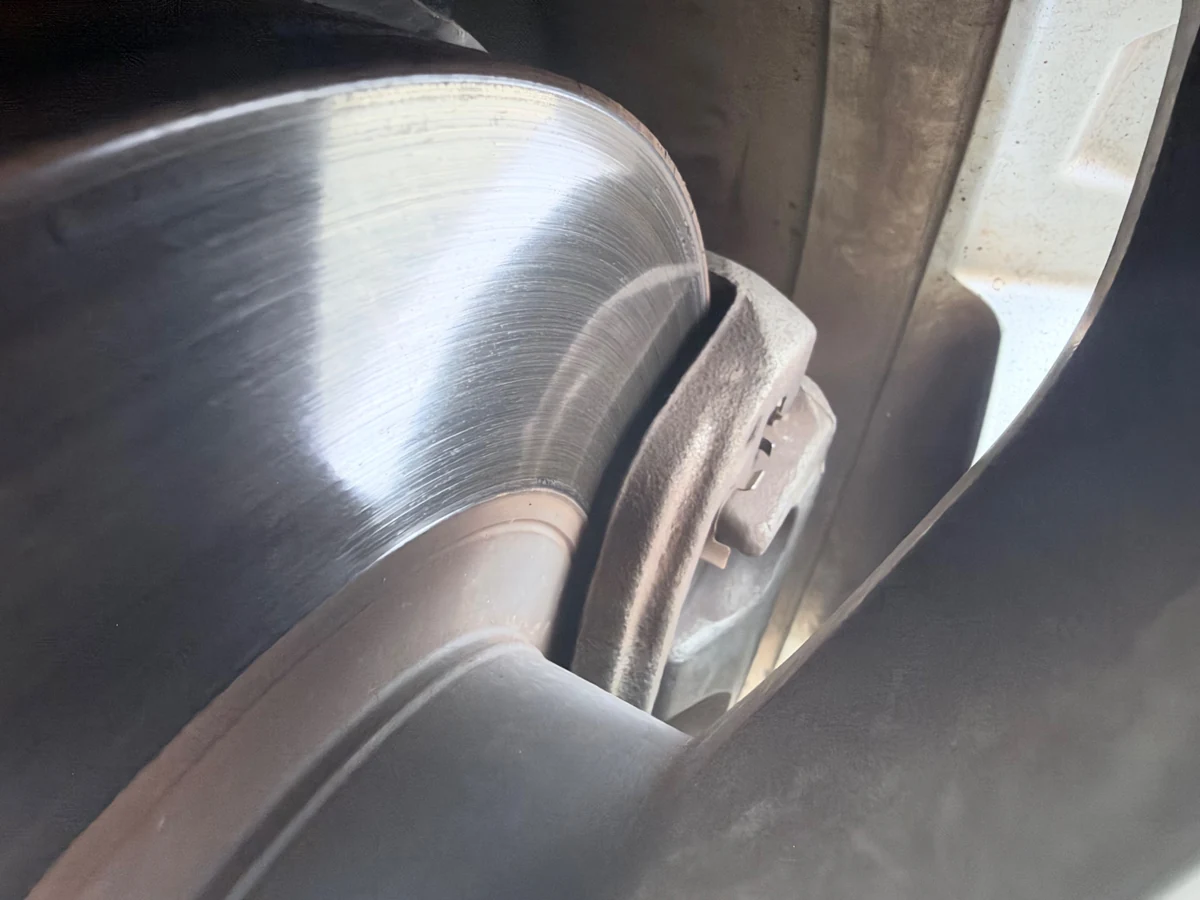
The visible front brake pads appeared low
I recommended that a repair shop measure the remaining pad thickness and assess when brake service was needed. Measuring the remaining pad thickness would help the buyer understand the service needed and obtain a repair estimate.
A small windshield crack needed assessment
A crack approximately the size of a dime was noted. An auto-glass specialist should assess whether it can be repaired or whether replacement is needed. The size alone does not determine the appropriate repair.
What the four history codes meant for the buyer
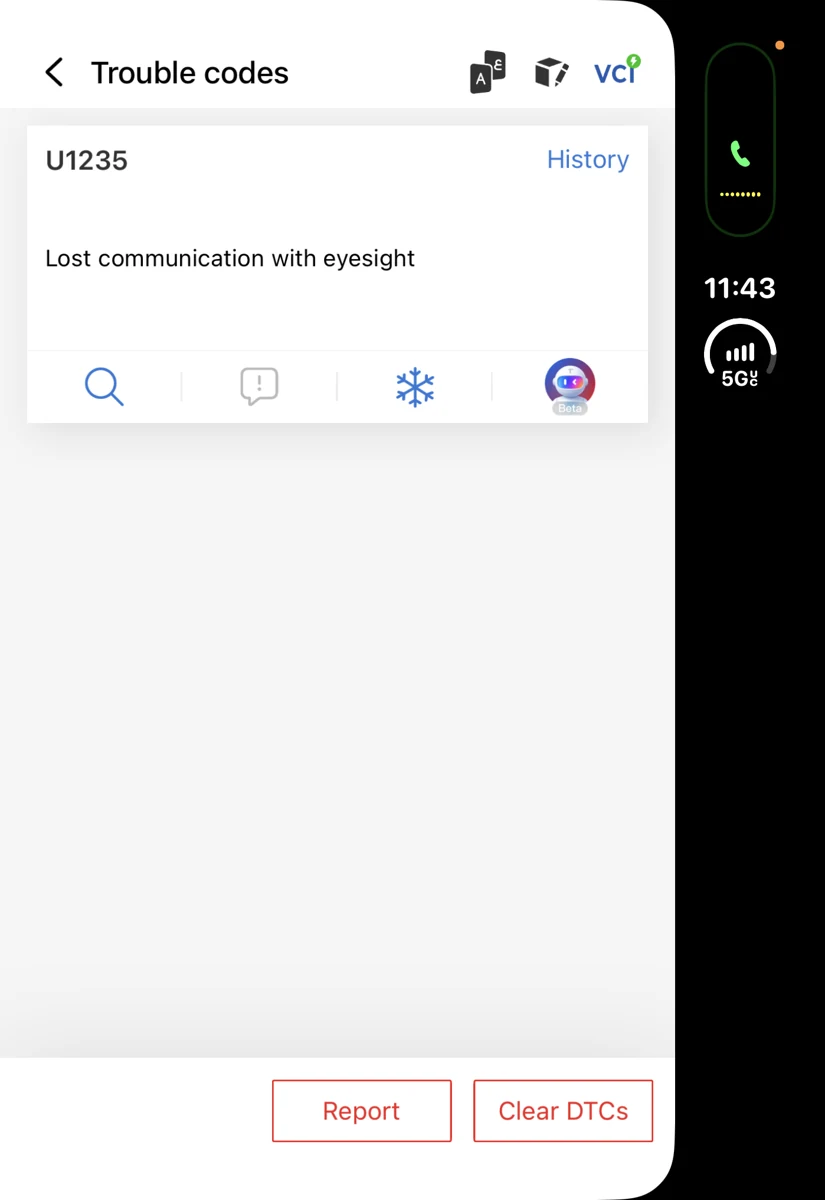
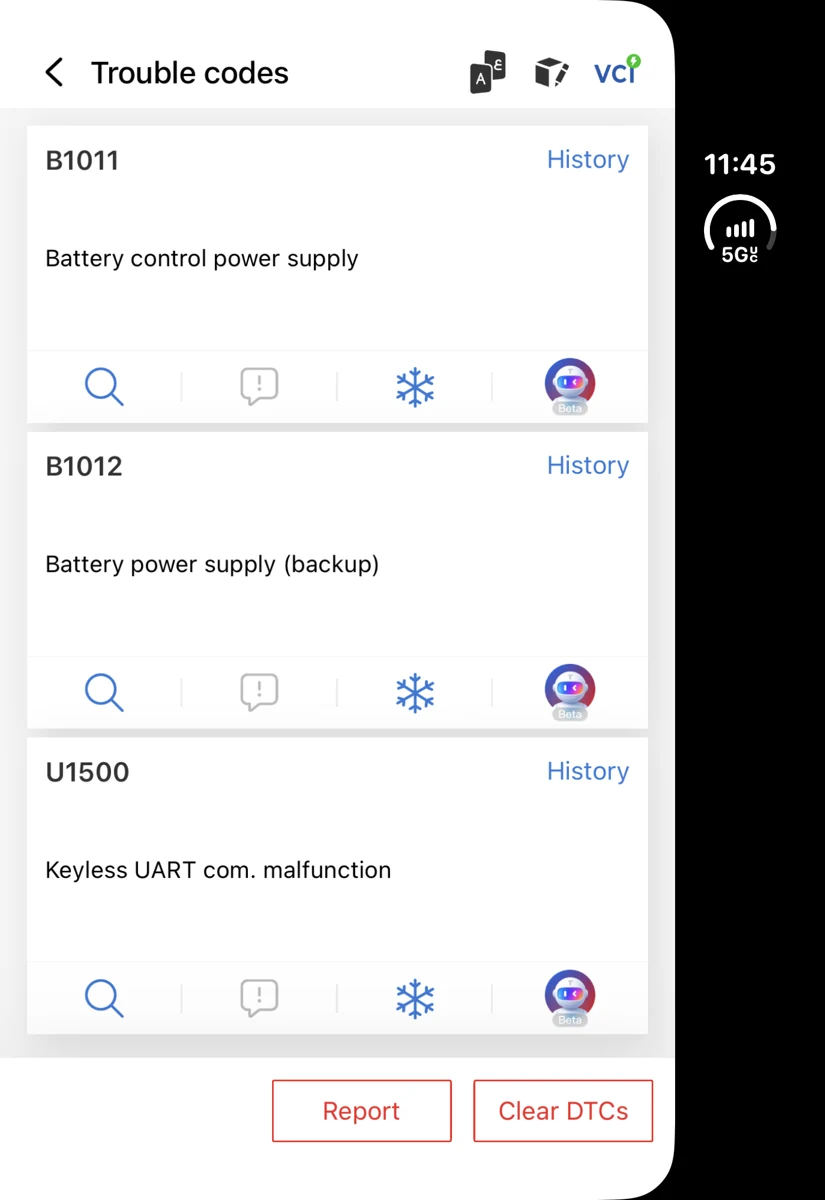
The photographed scan results listed the following codes, each marked History. They were not active at the time of inspection.
- U1235 — Lost communication with EyeSight
- The computer had recorded a communication interruption involving EyeSight.
- B1011 — Battery control power supply
- A power-supply condition had been recorded in the battery-control system.
- B1012 — Battery power supply (backup)
- A condition involving the backup battery power supply had been recorded.
- U1500 — Keyless UART communication malfunction
- The system had recorded an interruption in electronic communication associated with keyless operation.
I considered these stored codes consistent with a previous low-voltage condition; the battery was fully charged during the inspection. That interpretation was not confirmation of the original cause. If related warning lights or symptoms return, further diagnosis and a rescan are recommended.
Measurements added context to the observations
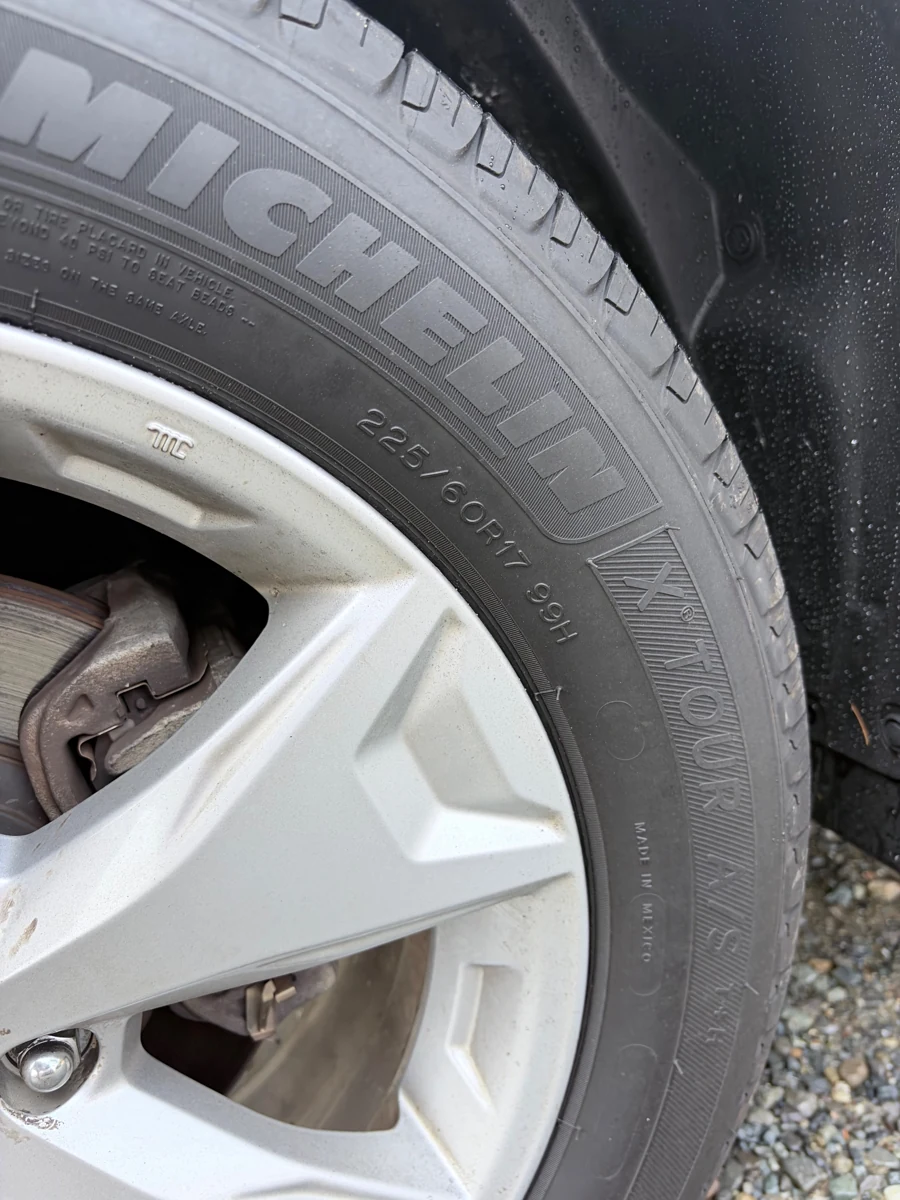
All four Michelin tires had recorded tread depths of 8/32 inch, and the tires and wheels were rated Good. No visible fluid leaks or obvious signs of repainting or bodywork were found in the inspected areas.
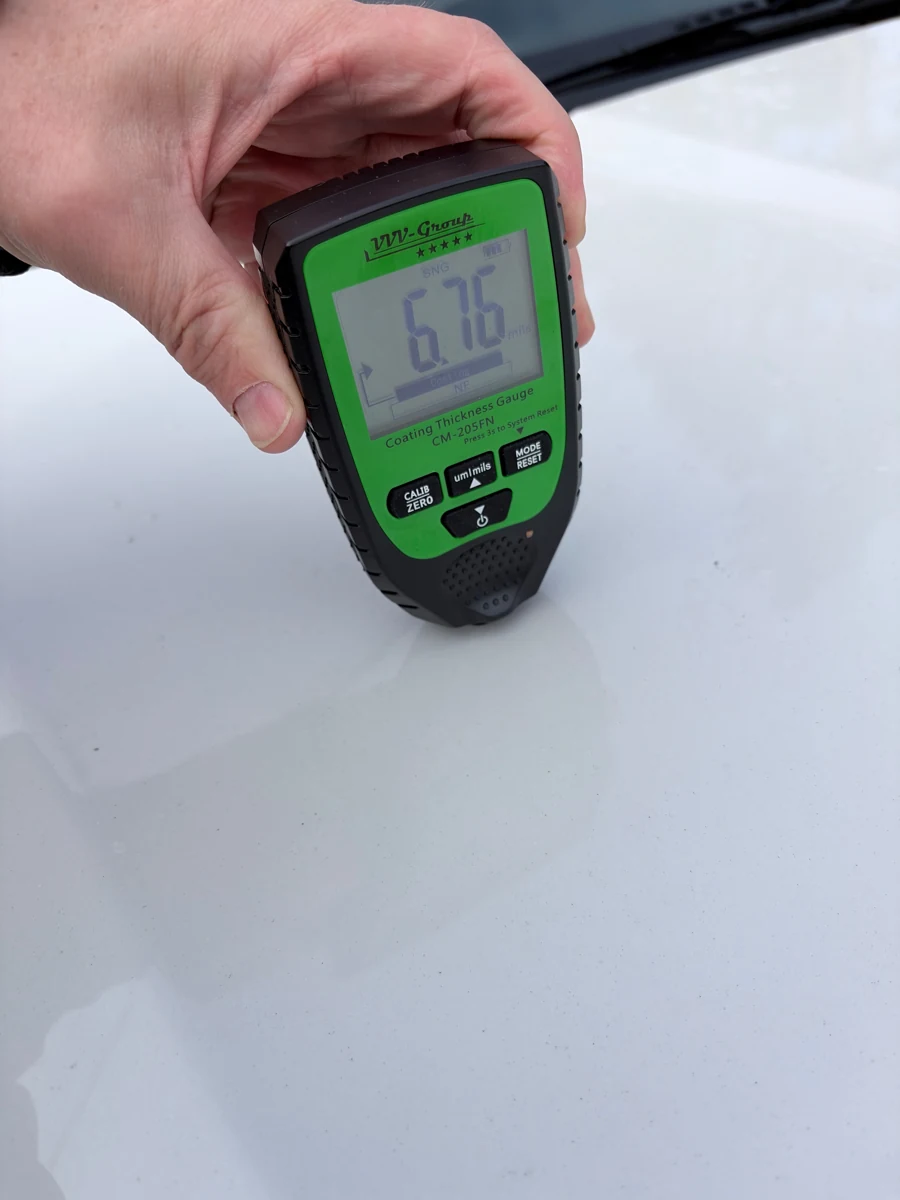
Photographed paint-thickness readings ranged from 3.93 to 6.76 mils. The highest reading, 6.76 mils, was confirmed on the hood. Other panel associations in the report are approximate where the close-up photographs do not establish the location. Paint thickness alone does not prove original paint or rule out previous repairs.
What this inspection gave the buyer
The useful result was a clearer picture: favorable road-test observations alongside specific items needing follow-up. The report provided a basis for asking about brake service, investigating the A/C concern and getting an assessment of the windshield before making a purchase decision.
The next step for a buyer is to discuss those recommendations, obtain any needed specialist assessments and weigh the findings against the asking price. Each vehicle needs its own inspection; the condition of another Forester may differ.
Customer and seller names, contact information, exact addresses and VIN are withheld. Photos are drawn from the anonymized report; no readable vehicle license plate is shown.